Source Rectangular Durable Oven Cooling Rack for Baking, Restaurant, Bakery
Compare 30 listings for a Rectangular Durable Oven Cooling Rack designed for baking, restaurant, and bakery applications. Buyers can evaluate stainless steel options with features like heat resistance and easy cleaning from verified Chinese manufacturers.
Key considerations
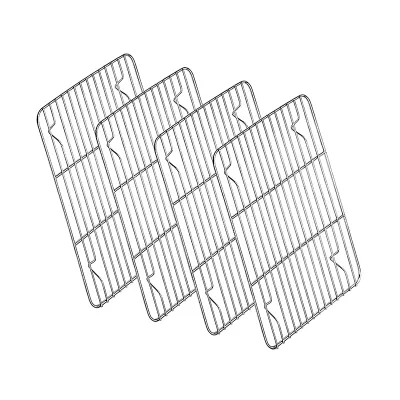
Products List
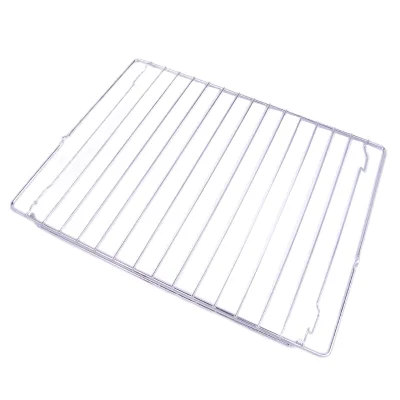
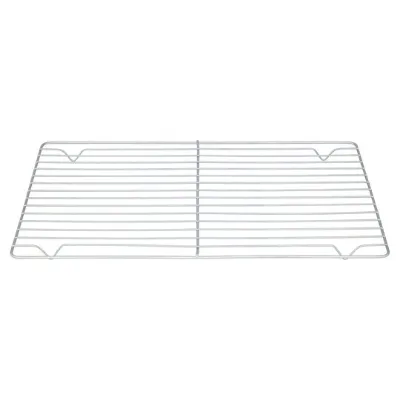
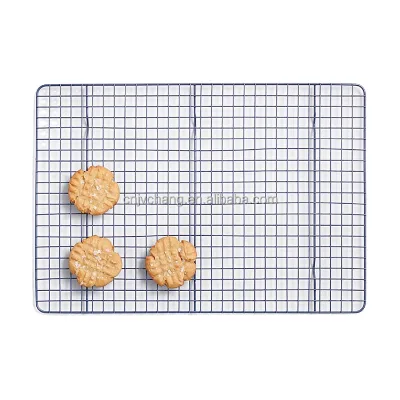

Kitchenware Rectangular Baking Oven- Specialized Thickened Stainless Steel Baking Cooling Rack
$2.30 - $2.60
MOQ: 1000 Pieces

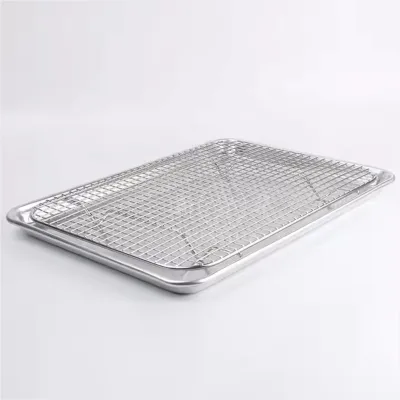


Bakery Stainless Steel Bread Baking Tray Racks Bread Toast Cooling Rack
$200.00 - $280.00
MOQ: 1 Pieces


Restaurant Kitchen Equipment Stainless Steel Bakery Cooling Rack Trolley
$200.00 - $280.00
MOQ: 1 Pieces




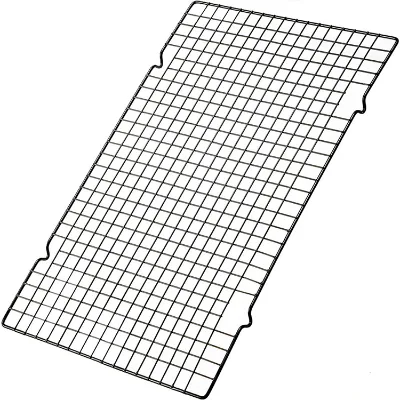
Custom 60X40cm Rectangular Wire Cooling Racks for Baking Cooking Grilling
$4.99 - $5.26
MOQ: 1000 Pieces


Comprehensive Sourcing Guide
Strategic Sourcing Guide for Rectangular Durable Oven Cooling Racks
Technical Specifications and Material Composition
When sourcing a Rectangular Durable Oven Cooling Rack, the primary focus must be on the intersection of material integrity, dimensional stability, and surface treatment. Based on available market data, the most reliable construction for this category utilizes Stainless Steel, specifically grades such as 304, which offer superior corrosion resistance and structural longevity compared to standard carbon steels. The material selection is critical because the product must withstand repeated thermal cycling without warping or degrading when exposed to high oven temperatures. The observed specifications indicate that these racks are often designed with a perforated or welded grid structure. This design choice is not merely aesthetic; it serves a functional purpose by maximizing airflow around baked goods, ensuring even cooling and preventing moisture accumulation that can lead to sogginess.
Dimensional consistency is another vital technical parameter. While some suppliers offer "custom made" lengths, standard offerings often adhere to specific size profiles, such as 365x397mm, to fit standard commercial and residential ovens. The shape is predominantly rectangular, though market variations include square, oval, and round configurations. Buyers must verify the single package dimensions, which can significantly impact logistics costs; for instance, a single package size of 40x40x10 cm suggests a compact, stackable design that optimizes container space. Furthermore, the surface treatment is a key differentiator. Chrome plating is a common finishing process observed in the market, providing a smooth, non-porous surface that resists rust and facilitates easy cleaning. However, buyers should also consider racks described as "Eco-Friendly" or "Sustainable," which may utilize different finishing techniques or recycled materials. The weight of the unit is also a critical specification; while some units are lightweight at 1kg, others designed for heavy-duty commercial use may weigh significantly more, such as 10kg, indicating a higher gauge steel thickness and greater durability.
Compliance, Certification, and Safety Standards
In the B2B procurement of kitchen equipment, verifying compliance with international safety and quality standards is non-negotiable. The supply chain for stainless steel cooling racks is global, with significant manufacturing hubs in regions like Guangdong and Hebei in China. When evaluating potential suppliers, buyers must demand evidence of third-party certifications. The most prevalent certification observed in this sector is ISO9001, which validates that the manufacturer has a robust quality management system in place. This certification ensures that the production process is consistent and that the final product meets defined quality criteria.
Beyond general quality management, specific food safety compliance is essential. The product must be made from "Food Grade Material," ensuring that no harmful substances leach into food during high-temperature use. Buyers should explicitly verify that the stainless steel used is certified for food contact applications. Additionally, the product's safety features should be scrutinized. Attributes such as "Oven Safe" and "Dishwasher Safe" are common claims that require validation. A rack that is oven-safe must maintain its structural integrity at temperatures typical of baking and roasting, while a dishwasher-safe rack must resist corrosion from harsh detergents and high heat. The presence of a "1 year" guarantee is a common market offering, but buyers should understand that this is a supplier-specific warranty term and not a universal industry standard. It is crucial to review the terms of this guarantee to understand what specific defects or failures are covered.
Cost Drivers and Pricing Dynamics
The pricing of rectangular oven cooling racks is influenced by a complex matrix of factors, including material costs, manufacturing complexity, and order volume. The observed price range in the market is extensive, spanning from $0.70 to $280.00 USD. This wide variance is not indicative of quality alone but reflects differences in scale, customization, and material grade. The lower end of the spectrum typically represents basic, stock items with standard dimensions and minimal finishing, often sold in high volumes. Conversely, the higher price points are associated with custom-made solutions, specialized surface treatments, or heavy-duty commercial-grade units with significant weight and durability.
Order Volume (MOQ) is a primary driver of unit cost. The market observes an MOQ range from 1 to 1000 units. Suppliers offering an MOQ of 1 are typically catering to small businesses or individual buyers and may charge a premium per unit. In contrast, suppliers requiring an MOQ of 1000 units often provide significant economies of scale, reducing the per-unit cost. Buyers should also consider the "Selling Units" configuration; some products are sold as single items, while others are packaged as sets. The packaging itself, such as a "5 Layer Export Carton," adds to the cost but is essential for protecting the product during international shipping. Additionally, the "Stocked" status of a product can influence price; items that are readily available in inventory may command a slightly higher price than those made-to-order, which require lead time and production scheduling.
Typical Applications and Functional Versatility
Rectangular durable oven cooling racks serve a multitude of applications across various sectors, from home baking to large-scale industrial food production. The primary application is in the "Kitchen, Restaurant, and Bakery" environments. In these settings, the racks are used to cool bread, loaves, cakes, and other baked goods after they are removed from the oven. The "Bread & Loaf Pans" and "Cake Tools" categories highlight the specific utility of these racks in professional baking workflows. The design allows for efficient air circulation, which is critical for maintaining the texture and quality of the final product.
The versatility of these racks extends beyond simple cooling. Many products are marketed with the attribute "Can be used with all types of cookware," suggesting a broad compatibility with different oven types and baking vessels. Some racks are also designed for use as "Grill Grate" accessories, expanding their utility to grilling and smoking applications. The "Eco-Friendly" and "Sustainable" attributes indicate a growing trend toward products that minimize environmental impact, appealing to buyers with green procurement policies. Furthermore, the "Customization" capability allows suppliers to tailor the product to specific needs, such as unique dimensions or specialized coatings, making these racks adaptable to niche applications. The "Light Grey" color and "Rectangle" shape are standard visual identifiers, but the "Customized Color" option allows for branding or aesthetic matching in commercial kitchens.
Supplier Evaluation and Selection Criteria
Selecting the right supplier requires a rigorous evaluation process that goes beyond price comparison. Buyers should prioritize suppliers who demonstrate transparency in their manufacturing capabilities and quality control measures. The "Place of Origin" is a significant factor; suppliers from established manufacturing hubs like Guangdong and Hebei often have mature supply chains and experienced workforces. However, the origin alone does not guarantee quality. Buyers must verify the supplier's ability to meet specific technical requirements, such as the "Perforated" or "Welded" techniques used in construction.
The "OEM/ODM" capability is another critical evaluation point. Suppliers who accept Original Equipment Manufacturer and Original Design Manufacturer orders offer greater flexibility for buyers looking to brand the product or modify its design. The "Advantage" of "Products Accept Customization" suggests that these suppliers are willing to adapt to specific client needs, which is essential for large-scale procurement. Buyers should also assess the supplier's sample availability. The "Sample: Available" attribute indicates that the supplier is confident in their product quality and is willing to provide a physical sample for testing before a large order is placed. This is a low-risk method for verifying the "Food Grade Material" and "Heat Resistance" claims. Finally, the "Guarantee" terms, such as the "1 year" warranty, should be compared across suppliers to ensure adequate protection against defects.
Quality Control and Long-Term Procurement Considerations
Implementing a robust quality control (QC) strategy is essential for ensuring the longevity and performance of the cooling racks. Buyers should establish clear acceptance criteria based on the observed product attributes. Key QC checkpoints include verifying the "Stainless Steel" grade, checking the integrity of the "Chrome plating" or "Perforated" finish, and confirming the dimensional accuracy of the "365x397mm" or custom sizes. The "Single gross weight" of 10.000 kg for certain units serves as a benchmark for material density; deviations from this weight may indicate the use of inferior materials or manufacturing inconsistencies.
Long-term procurement considerations involve building a sustainable relationship with suppliers who can consistently deliver high-quality products. The "Stocked" status of products ensures immediate availability, which is beneficial for maintaining inventory levels. However, for custom orders, buyers must account for lead times and production schedules. The "Single package size" and "5 Layer Export Carton" packaging details are crucial for logistics planning, ensuring that the products arrive undamaged. Buyers should also consider the "Easily Cleaned" and "Dishwasher safe" attributes as long-term value drivers, as they reduce maintenance costs and extend the product's usable life. By focusing on these technical and operational factors, buyers can secure a reliable supply chain for rectangular durable oven cooling racks that meets their specific operational needs.
Comparative Analysis of Product Attributes
To facilitate informed decision-making, the following table summarizes key attributes observed in the market for rectangular oven cooling racks. This comparison highlights the variations in specifications, materials, and certifications that buyers should consider.
| Attribute Category | Standard/Stocked Options | Custom/High-End Options | Key Verification Points |
|---|---|---|---|
| Material | Stainless Steel (General) | Stainless Steel 304 (Food Grade) | Verify food-grade certification and corrosion resistance. |
| Surface Treatment | Chrome Plating, Perforated | Custom Finishes, Welded | Check for uniform plating and structural weld integrity. |
| Dimensions | 365x397mm, Standard Sizes | Custom Made Lengths | Confirm fit with specific oven or rack systems. |
| Certification | ISO9001 (Common) | ISO9001 + Specific Food Safety | Ensure valid, up-to-date certification documents. |
| Weight | 1kg (Lightweight) | 10kg (Heavy Duty) | Assess weight-to-strength ratio for intended use. |
| Packaging | Single Item, Export Carton | Set Packaging, Custom Branded | Verify packaging strength for international shipping. |
| Guarantee | 1 Year (Standard) | Extended Warranty Options | Review terms and conditions for coverage scope. |
This structured approach to evaluating product attributes ensures that buyers can make data-driven decisions that align with their specific operational requirements and quality standards. By focusing on these verified facts and avoiding unverified claims, procurement teams can mitigate risks and secure high-quality cooling racks for their organizations.
FAQs
What material is used for rectangular durable oven cooling racks?
These racks are constructed from Stainless Steel, specifically grade 304 for food-grade applications. This material ensures superior corrosion resistance and structural longevity during repeated thermal cycling in ovens.
Can these racks be used with all types of cookware?
Yes, the product is designed to be compatible with all types of cookware. It functions effectively as a baking tool in kitchens, restaurants, and bakeries for cooling bread, loaves, and cakes.
Which certifications verify the quality of these stainless steel racks?
The products typically hold ISO9001 certification to validate robust quality management systems. Buyers should also verify that the material is explicitly labeled as Food Grade for safe high-temperature use.
How does the surface treatment affect cleaning and durability?
Chrome plating and perforated finishes provide a smooth, non-porous surface that resists rust and facilitates easy cleaning. These treatments ensure the rack remains dishwasher safe and maintains integrity over time.
What is the standard size for a rectangular cooling rack?
A common standard size observed is 365x397mm, though custom made lengths are available. The shape is predominantly rectangular, but square, oval, and round configurations also exist in the market.
Can suppliers accept customization for specific dimensions or colors?
Yes, products accept customization for dimensions, shapes, and colors like light grey or custom options. Suppliers often support OEM and ODM requests to tailor the rack to specific client needs.
What is the typical price range for these cooling racks?
The observed price range spans from 0.7 to 280 USD depending on scale and customization. Lower prices typically reflect basic stock items, while higher costs cover heavy-duty commercial units or custom specifications.
Are samples available for testing before placing a large order?
Samples are available for buyers to verify product quality and material specifications before committing to bulk orders. This allows verification of food-grade material claims and heat resistance performance.